
What Are Strip Footings and Where Do You Need Them?
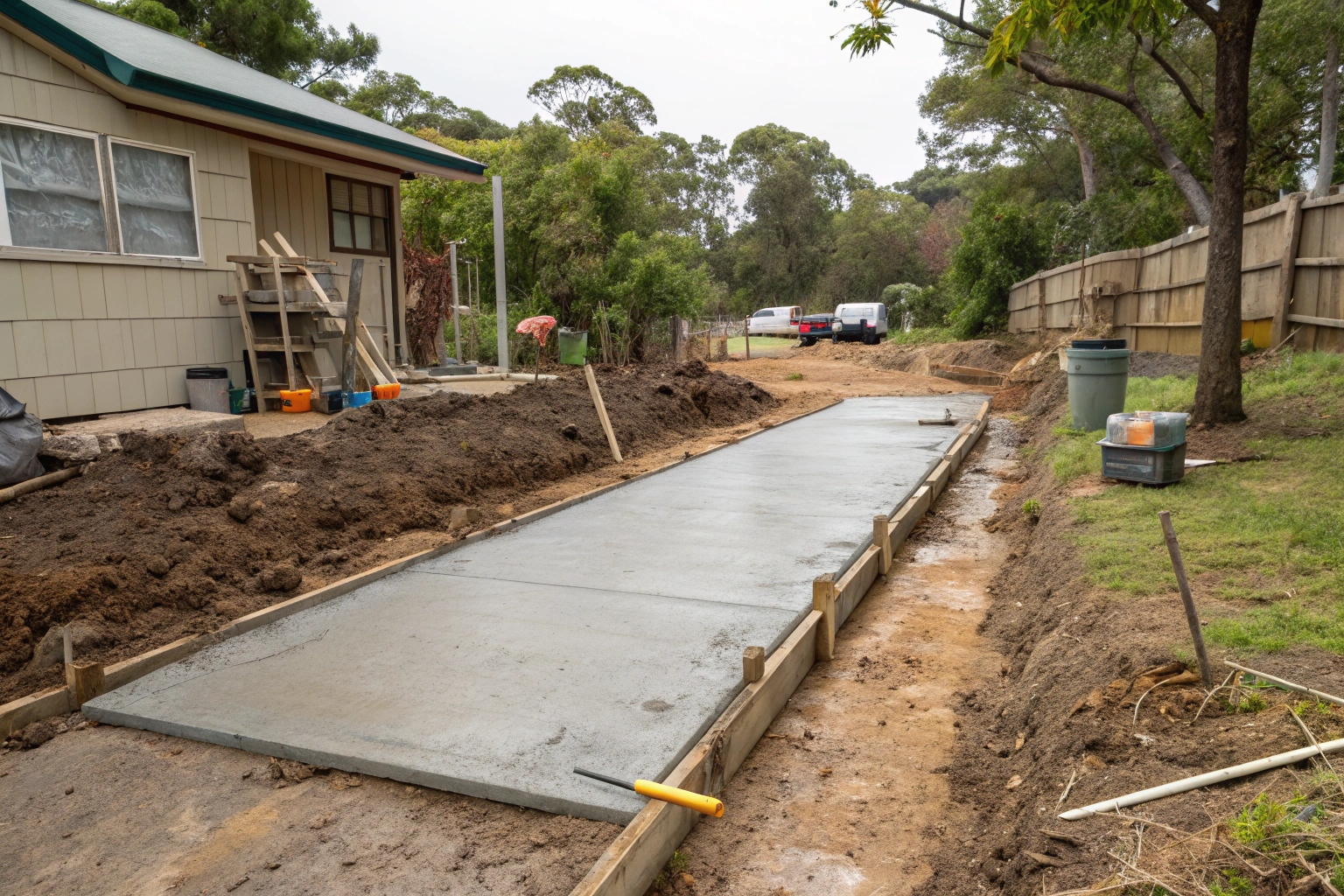
Strip footings are continuous concrete foundations that run underneath walls to support them. Instead of individual pads or posts, you get one long concrete beam following the entire length of your wall line. It’s the most common footing type for residential construction because it does exactly what you need – spreads the load evenly so your walls don’t crack when the ground moves.
You’ll find strip footings used in pretty much every type of wall construction around Townsville. House perimeter walls sit on them. Internal load-bearing walls that hold up your roof need them. That solid brick fence you’re planning for your boundary? Strip footings. Garage walls, shed walls, granny flat extensions – they all need proper strip footings to stay standing straight.
Retaining walls are another big application, especially around here where so many properties deal with slope. The strip footing becomes the base that stops the whole wall from sliding or tipping over time. And if you’re building an extension onto your existing home, the new walls will need strip footings that tie into your original foundation system.
The key thing that makes strip footings work is how they distribute weight. Instead of concentrating all the pressure in one spot, they spread it out along the entire wall length. In Townsville’s reactive clay soils, that continuous support is what prevents the differential settlement that causes cracks. One section of wall doesn’t sink more than another because they’re all connected to the same concrete beam below.

Design Specifications That Matter for Townsville Conditions
Strip footings aren’t one-size-fits-all. The dimensions and reinforcement depend entirely on your soil conditions and what you’re building. Around Townsville, typical strip footings run 400mm to 600mm wide, with depths ranging from 300mm down to 600mm or more. That depth gets determined by your geotechnical report – basically, what the soil testing says you need to get below the active zone where seasonal moisture changes affect the ground.
The concrete thickness usually sits between 200mm and 300mm, poured with N20 to N32 grade concrete depending on the engineering requirements. Steel reinforcement goes through the entire length – typically N12 or N16 bars arranged in a cage that gives the concrete tensile strength. Without that steel, the concrete would crack under the bending forces that reactive soils create.
Every strip footing project needs to be designed by a structural engineer who looks at your specific soil report and building loads. They’ll specify exactly how wide, how deep, and how much steel you need. On sloped sites, the footings get stepped down in sections to follow the natural ground level while maintaining the required depth below the surface.
The engineer’s drawings become your construction blueprint. They’ll show the cross-section dimensions, the steel spacing and placement, concrete cover requirements, and how the footings tie into other structural elements. Those drawings also get submitted to council for approval, and inspectors check the work matches what was designed before you’re allowed to pour concrete.
Understanding Townsville's Soil Challenges for Strip Footings
How We Install Strip Footings That Last
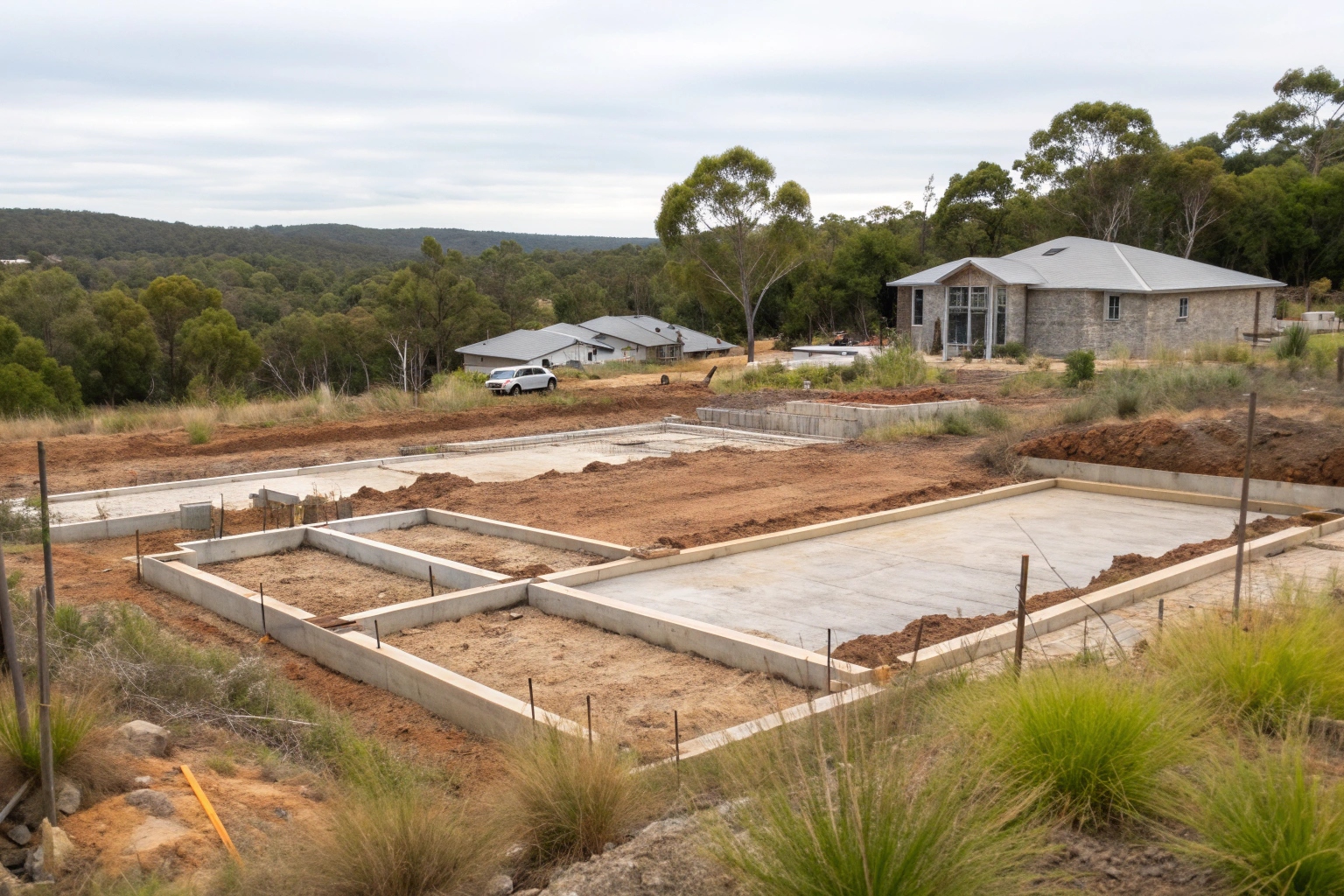
The installation starts with accurate string line marking and surveying to make sure everything sits exactly where the plans show. Get this wrong by even 50mm and you’re creating problems for the bricklayers later. Once the lines are marked, excavation begins – digging trenches to the specified depth and width that the engineer’s drawings call for.
That excavated trench needs a properly compacted base before anything else happens. We’re talking about crushed rock or conditioned clay that’s been compacted to the right density. Loose or poorly prepared base material will settle over time, and that defeats the whole purpose of having deep footings in the first place.
Steel reinforcement goes in next, positioned according to the engineering specs. The steel cage needs minimum 50mm concrete cover on all sides – that protects the steel from corrosion and ensures it works properly within the concrete. Getting the steel placement right matters because that’s what gives your footing its strength to resist bending and cracking.
Formwork gets installed on the sides if you need neat edges or if the trench walls are likely to collapse during the pour. Then comes the concrete – poured in sections, properly compacted with vibrators to eliminate voids, and finished level. That concrete needs time to cure properly, which in Townsville’s heat means keeping it moist for at least seven days. Rush the curing and you’ll end up with weaker concrete that’s more prone to cracking.
Building inspectors check the work at excavation stage and again when steel’s in place before you’re allowed to pour. Once the concrete’s cured and the inspector signs off, you’re ready to start building walls.
Common Questions About Strip Footings in Townsville (FAQs)
Depth depends entirely on your soil test results. For moderately reactive soils, you might get away with 400-450mm. For highly reactive clay that’s common around here, you’re looking at 600mm or deeper. The engineer uses your geotechnical report to determine what’s needed for your specific site. There’s no guessing – the soil classification dictates the minimum depth.
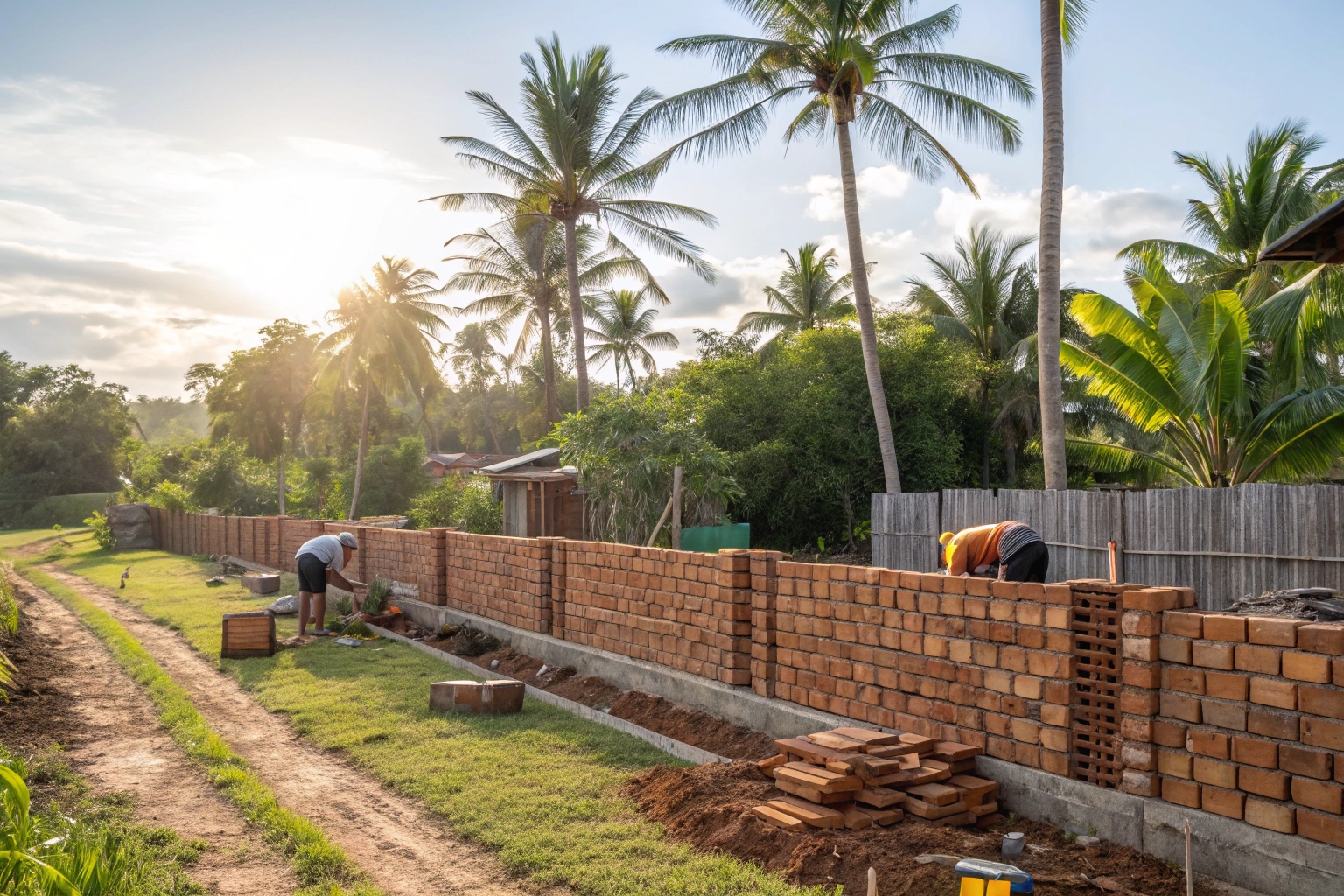
Absolutely. Strip footings are the standard foundation for brick and block fences in Townsville. They provide the continuous support your fence needs to stay straight and stable. Without them, fence walls crack and lean, especially in our reactive soils. The footing specification will depend on fence height and whether it’s single or double brick.
Concrete needs minimum seven days curing time before you load it up with wall construction. In Townsville’s heat, proper curing is critical – the concrete needs to stay moist during this period. Most builders wait 7-10 days to be safe. Trying to rush it and build too early just compromises the strength you paid for.
Yes, always. The steel reinforcement is what gives strip footings their ability to bridge across problem soil areas without cracking. Your engineer specifies the bar size and spacing based on the loads and soil conditions. Trying to skip the steel to save money is asking for foundation failure.
Sometimes highly reactive soils require strip footings combined with deeper piers at intervals. The piers reach down to more stable soil while the strip footing provides the continuous support. Your engineer will design the system based on what your specific soil conditions need. It’s more work, but it’s what keeps your walls standing straight long-term.
Pricing works per linear meter and varies based on depth, width, and reinforcement requirements. A standard residential strip footing typically runs between $80-150 per linear meter, but deeper footings for reactive soils cost more. Engineering fees, soil testing, and council inspections add to the total project cost. We provide detailed quotes after reviewing your plans and soil report.
Get Your Strip Footings Done Right the First Time
Strip footings aren’t something you want to redo. Once they’re in the ground and your walls are built on top, fixing foundation problems gets expensive fast. That’s why getting them engineered and installed properly from the start matters so much – especially here in Townsville where our soils don’t forgive shortcuts.
We’ve installed strip footings across every suburb in Townsville, working with the local soil conditions that each area deals with. We know which engineers to work with, how to coordinate inspections efficiently, and what it takes to get footings that’ll still be doing their job decades from now. Our team handles everything from the initial site assessment through to final certification.
If you’re planning a build, an extension, or a brick fence, get your strip footings sorted with people who know Townsville construction inside out. We provide free quotes that include a site visit to assess access, soil conditions, and any site-specific challenges that might affect the work.
Call us today or fill out our online quote form. We’ll review your plans, discuss what your project needs, and give you a detailed price that covers everything – no surprises, no hidden costs. Let’s make sure your walls have the foundation they need to last.
